Case Study
Syntapse
Overview
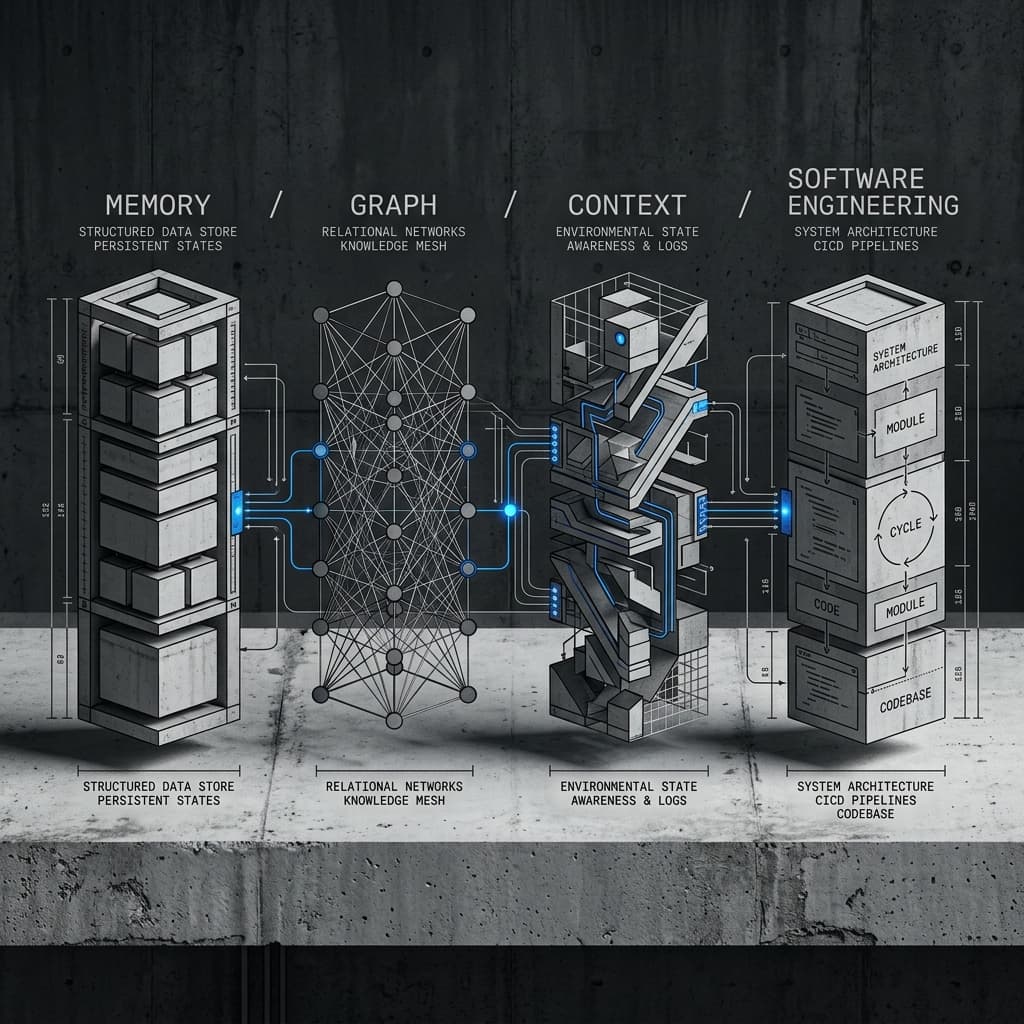
Syntapse is a multi-agent system for early-stage software planning. Five specialised agents — ideation, product requirements, system architecture, stack evaluation and implementation planning — work from one shared memory graph instead of passing prompts down a chain.
The Problem
Most agent frameworks chain prompts: each agent receives the previous agent's output and little else. That holds up until a requirement changes. Then every downstream step is working from stale context, and the usual fix is to run the whole chain again from the top.
Our Approach
We made memory the coordination layer. Every agent reads from and writes to the same Cognee knowledge graph, backed by Memgraph. The agents run as independent daemons: they listen for changes on a Redis event bus, pull the context they need from the graph, call the model, and commit their results back. No agent needs to know which one ran before it.
Architecture & Features
Because work is triggered by changes to the graph, the system recovers from edits without a restart. Change a decision by hand — swap the tech stack from React to Rust, say — and the edited node emits an event; the agents that depended on it discard their plans and regenerate from the updated memory. The agent backend runs locally with Docker and Ollama behind a Next.js interface. It is a working demonstration of the architecture, not a finished product.
Role
Agent architecture, AI engineering
Related services
Technology
Cognee, Memgraph, Redis, Python, Next.js, Ollama